Discover Nick Quail's Vision for a Sustainable Future
In a world increasingly aware of environmental challenges, Nick Quail stands out as a visionary leader advocating for a sustainable future. His approach combines innovative thinking with practical solutions, aiming to create a balance between human needs and ecological preservation. This blog post explores Quail's vision, the principles that guide his work, and the actionable steps he proposes for individuals and communities to embrace sustainability.
Understanding Nick Quail's Philosophy
Nick Quail believes that sustainability is not just a trend but a necessity for the survival of our planet. His philosophy is rooted in the idea that every action counts, and small changes can lead to significant impacts. He emphasizes the importance of community engagement and education in fostering a culture of sustainability.
Key Principles of Quail's Vision
Interconnectedness: Quail stresses that all elements of the ecosystem are interconnected. Changes in one area can have ripple effects throughout the environment. This principle encourages individuals to consider the broader implications of their actions.
Innovation: Embracing new technologies and ideas is crucial for sustainable development. Quail advocates for research and development in renewable energy, sustainable agriculture, and waste reduction.
Education and Awareness: Quail believes that knowledge is power. By educating communities about sustainability, individuals can make informed choices that benefit both themselves and the environment.
Collaboration: Working together is essential for achieving sustainability goals. Quail encourages partnerships between governments, businesses, and non-profits to create comprehensive solutions.
Resilience: Building resilience in communities helps them adapt to environmental changes. Quail promotes practices that enhance the ability to withstand climate-related challenges.
The Role of Community in Sustainability
Quail's vision emphasizes the importance of community involvement in sustainability efforts. He believes that grassroots movements can drive significant change. Here are some ways communities can contribute:
Local Initiatives
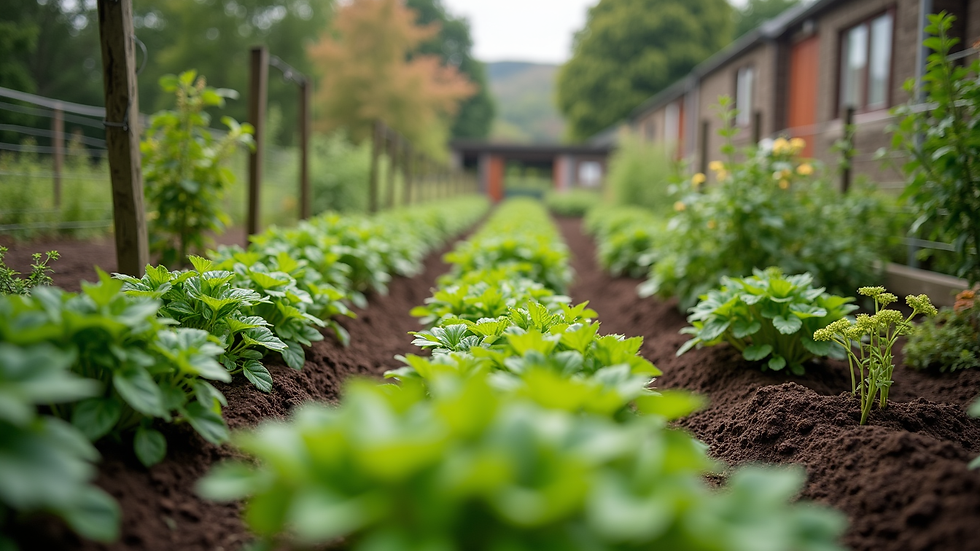
Community Gardens: Establishing community gardens not only provides fresh produce but also fosters a sense of community and connection to nature.
Recycling Programs: Implementing local recycling initiatives can significantly reduce waste and promote responsible consumption.
Educational Workshops: Hosting workshops on sustainable practices, such as composting and energy conservation, can empower residents to take action.
Case Study: The Green City Project
One of the most notable examples of Quail's vision in action is the Green City Project. This initiative focuses on transforming urban areas into sustainable environments through:
Green Spaces: Creating parks and green roofs to improve air quality and provide habitats for wildlife.
Public Transportation: Enhancing public transport options to reduce reliance on cars and lower carbon emissions.
Renewable Energy: Investing in solar and wind energy to power city infrastructure.
The Green City Project has seen a 30% reduction in carbon emissions since its inception, showcasing the power of community-driven sustainability.
Practical Steps for Individuals
While community initiatives are vital, individual actions also play a crucial role in achieving sustainability. Here are some practical steps inspired by Quail's vision:
Reduce, Reuse, Recycle
Minimize Waste: Start by reducing single-use plastics and opting for reusable alternatives.
Repurpose Items: Get creative with old items instead of discarding them. For example, glass jars can be used for storage or as planters.
Participate in Recycling: Familiarize yourself with local recycling guidelines to ensure proper disposal of materials.
Sustainable Transportation
Walk or Bike: Whenever possible, choose walking or biking over driving to reduce your carbon footprint.
Carpool: Share rides with friends or coworkers to decrease the number of vehicles on the road.
Public Transit: Utilize public transportation options to lower emissions and save on fuel costs.
Energy Conservation
Switch to LED Bulbs: Replace incandescent bulbs with energy-efficient LED lights to save energy and reduce electricity bills.
Unplug Devices: Unplug electronics when not in use to prevent phantom energy consumption.
Use Smart Thermostats: Invest in smart thermostats to optimize heating and cooling in your home.
The Importance of Education
Education is a cornerstone of Quail's vision for sustainability. By equipping individuals with knowledge, they can make informed decisions that positively impact the environment. Here are some educational initiatives that can foster a culture of sustainability:
School Programs
Curriculum Integration: Schools can integrate sustainability topics into their curriculum, teaching students about environmental science, conservation, and responsible citizenship.
Field Trips: Organizing field trips to local farms, recycling centers, or nature reserves can provide hands-on learning experiences.
Community Workshops
Sustainability Seminars: Host seminars featuring experts in sustainability to discuss topics such as renewable energy, waste management, and sustainable agriculture.
Skill-Building Workshops: Offer workshops on practical skills like gardening, composting, and DIY repairs to encourage self-sufficiency.
Collaboration for a Sustainable Future
Quail's vision highlights the importance of collaboration among various stakeholders. By working together, communities can create more effective and comprehensive sustainability strategies. Here are some ways to foster collaboration:
Partnerships
Local Governments: Collaborate with local governments to develop policies that support sustainable practices, such as incentives for renewable energy installations.
Businesses: Encourage local businesses to adopt sustainable practices and support community initiatives through sponsorships or donations.
Non-Profits: Partner with non-profit organizations focused on environmental issues to leverage resources and expertise.
Community Events
Sustainability Fairs: Organize fairs that showcase local sustainable businesses, products, and services, encouraging residents to support eco-friendly options.
Clean-Up Days: Host community clean-up events to promote environmental stewardship and foster a sense of pride in local spaces.
The Future of Sustainability
As we look to the future, Quail's vision serves as a guiding light for individuals and communities striving for sustainability. The challenges we face are significant, but with collective action, innovative thinking, and a commitment to education, we can create a more sustainable world.
The Role of Technology
Advancements in technology will play a crucial role in achieving sustainability goals. From smart grids to sustainable agriculture practices, technology can help us optimize resource use and reduce waste. Quail advocates for continued investment in research and development to drive these innovations.
Policy Changes
Government policies will also be essential in shaping a sustainable future. Quail encourages citizens to advocate for policies that support renewable energy, conservation efforts, and sustainable development. Engaging in the political process can lead to meaningful change at the local, national, and global levels.
Conclusion
Nick Quail's vision for a sustainable future is both inspiring and actionable. By embracing interconnectedness, innovation, education, collaboration, and resilience, we can all contribute to a healthier planet. Whether through community initiatives or individual actions, every effort counts. As we move forward, let us take Quail's message to heart and work together to build a sustainable future for generations to come.
The journey towards sustainability begins with each of us. What steps will you take today to contribute to a greener tomorrow?
Comments